Baby Registry Must-Haves: What You Need and What Can Wait
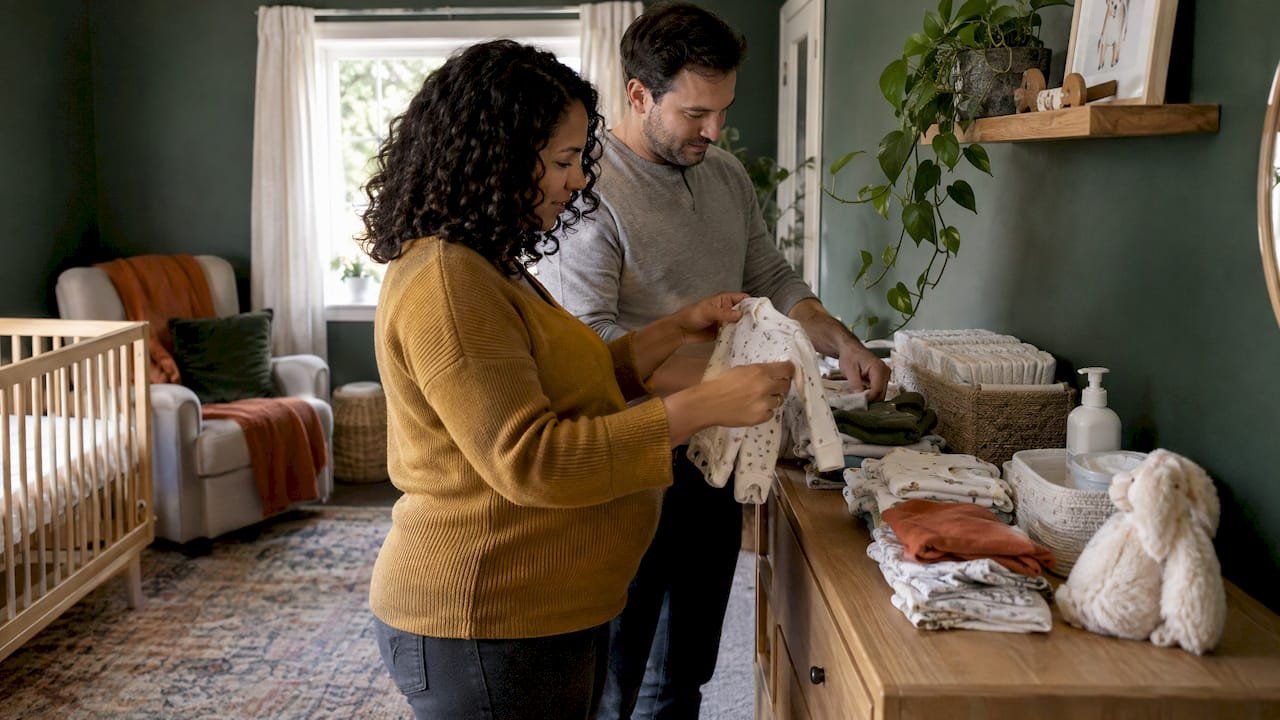
A baby registry needs fewer things than most checklists suggest. For the first weeks you need a safe place to sleep, a car seat, feeding supplies, nappies and wipes, a few clothes and something to wash the baby in. Everything else can be added once you know what your baby actually likes. The smartest way to build the list is to keep it all in one place, whatever shop each item comes from. That is what a universal registry such as Registryup is for: you paste a link to any item from any store and your family sees one list.
Key Takeaways
Start with six groups: sleep, travel, feeding, nappies, clothing and bathing. Add the rest later.
Buy the cot mattress and the car seat new, and leave out crib bumpers, loose bedding and inclined sleepers.
High chairs, baby food makers and toys can wait until your baby is closer to solids and play.
Keep a single list rather than several shop-specific ones, so guests can see what has already been bought.
The essentials, group by group
The NHS lists what to buy for a newborn in plain, short categories, and it is a good yardstick. The groups below follow the same logic, with a note on quantities and on where people over-order.
Safe sleep
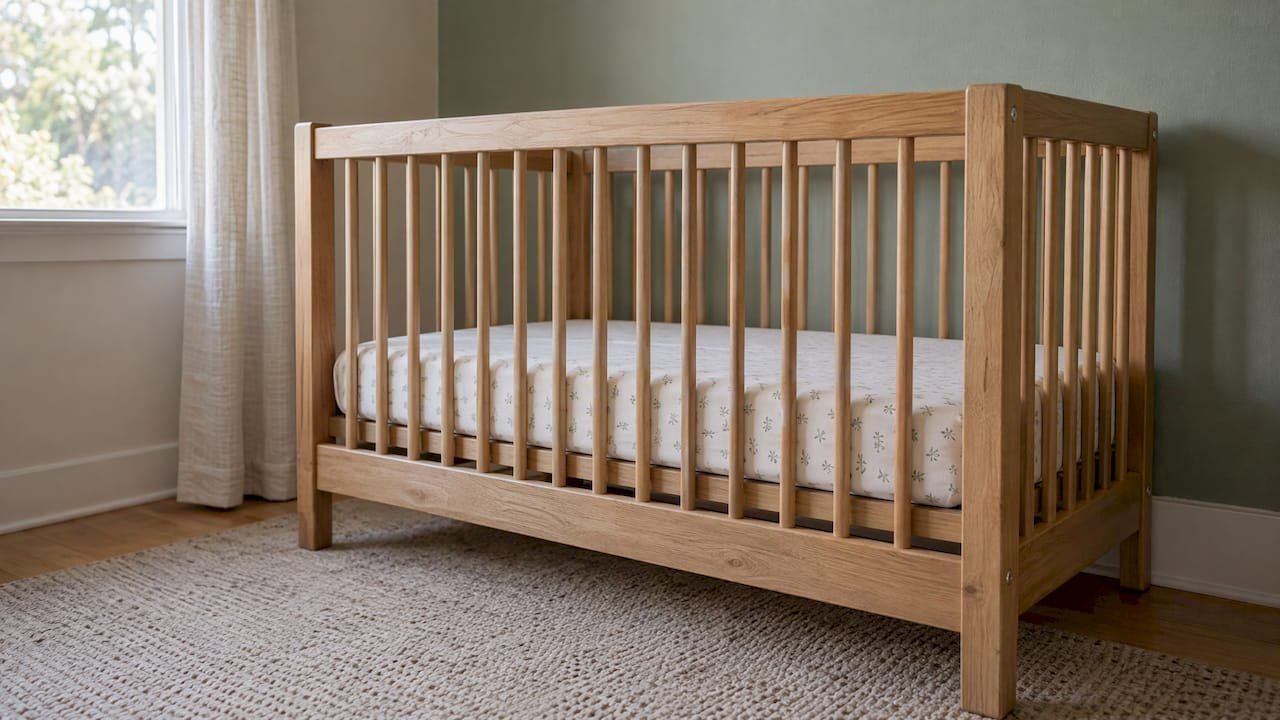
This is the one area where it pays to be strict. You need a cot, Moses basket or bedside crib, plus a firm, flat mattress that fits snugly. The NHS says the cot mattress should be new. Add two or three fitted sheets so you always have a clean one while another is in the wash.
What to leave off: crib bumpers, pillows, duvets and soft toys in the sleep space. The American Academy of Pediatrics’ parent site warns against these and against inclined sleepers, linking them to suffocation, strangulation and sudden infant death syndrome (SIDS, the unexplained death of a seemingly healthy baby). It also notes that US law now bans inclined sleepers and bumpers that tie or snap onto cot rails. Safest sleep is on a firm, flat surface, on the back, with nothing loose around the baby.
Getting home and getting out
A car seat is the one item you cannot leave the hospital without. Nationwide Children’s Hospital stresses that it must be installed before you bring the baby home, and the NHS says to buy it new, because a used seat’s crash history is unknowable. If friends offer a hand-me-down, say thank you and keep it off the registry.
A pram or pushchair is the next big decision. Many newborns do well with a carrycot-style pram or a sling, so you rarely need the full travel system on day one. A changing bag is genuinely useful from the first outing.
Feeding
Whether you breastfeed, bottle-feed or combine the two, you will want a few basics:
4 to 6 bottles and teats (the rubber nipple) in a newborn flow size
a bottle brush used only for feeding items, plus a steriliser or a large pan for sterilising
muslin cloths or burp cloths, as many as you can get
nursing pads and a feeding pillow if you plan to breastfeed
Buy a small amount of one type of bottle before stocking up. Babies can be fussy about teat shape, which is why a registry spread over several weeks of gifts works better than one big purchase.
Nappies and changing
Nappies, wipes and a changing mat are the most-used items you will own. Newborns go through a lot of nappies each day, so a good approach is to register for a couple of packs of the newborn size and then a larger size, since babies outgrow the smallest one quickly. Add nappy bags, barrier cream and a bin if you like, but the first three are the core.
Clothing
Six to eight sleepsuits, a handful of vests and a few hats cover the early weeks. Choose front-opening or wide-neck styles with poppers, which are easier for tired hands at 3am. Register for sizes from newborn to 3 months and leave 6 months and above for later, because babies grow at very different speeds.
Bathing
The NHS names a baby bath or a washing-up bowl and soft towels as the bathing basics. Add a hooded towel and a soft flannel, and that is enough. Fancy bath toys and gadgets are optional extras.
What can wait
Some products look essential in a shop but are not needed in the first weeks. A high chair, a baby food maker and weaning kit are only useful when solids begin, around six months. Large toys and activity gyms are enjoyable but not urgent. A baby monitor is a personal choice depending on your home. Putting these on the list for later means you can add them in a few months, when you know what you need.
A good test is to ask, “Will we use this in the first four weeks?” If the answer is no, hold it back.
A note on budgets
Baby costs vary hugely by country and family. A study reported by MadeForMums found that a basket of 14 baby essentials took up 7.5% of the average UK wage, placing the UK sixth in the world for affordability, though it used a standard shopping list built on US norms. The lesson for a registry is practical: pay attention to the essentials first, and let guests cover the larger items between them. A registry that mixes small items with a few bigger ones lets everyone choose a gift at a price that suits them.
Where a single registry helps
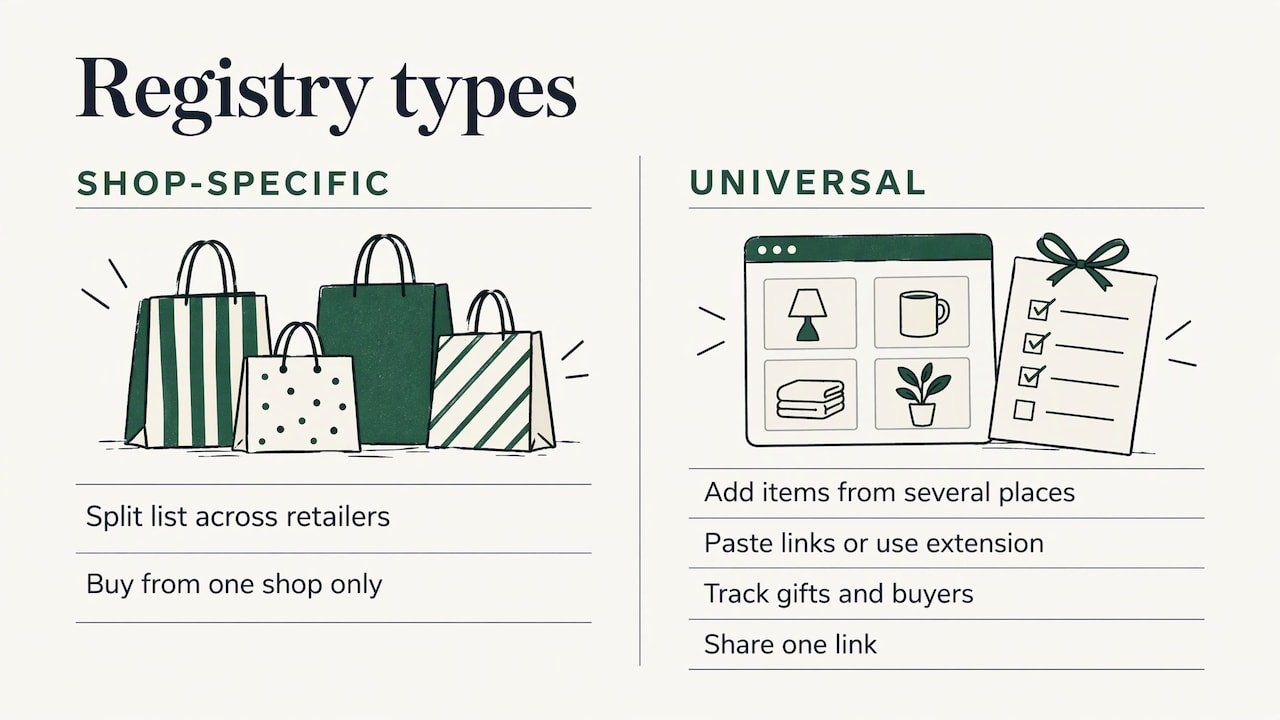
Most parents-to-be end up wanting things from several places: a cot from one retailer, a sling from a small independent maker, sleepsuits from a high-street shop. Shop-specific registries force you to split the list or to buy from one shop only. A universal registry does away with that.
With Registryup you add an item by pasting its link, or by using the browser extension while you shop. You can see which gifts have been bought and who bought them, and you share one link with family and friends. There are no fees or markups for you or your guests. The same list can sit beside a baby shower registry, and our baby registry gift ideas can help if you want inspiration for what to add.
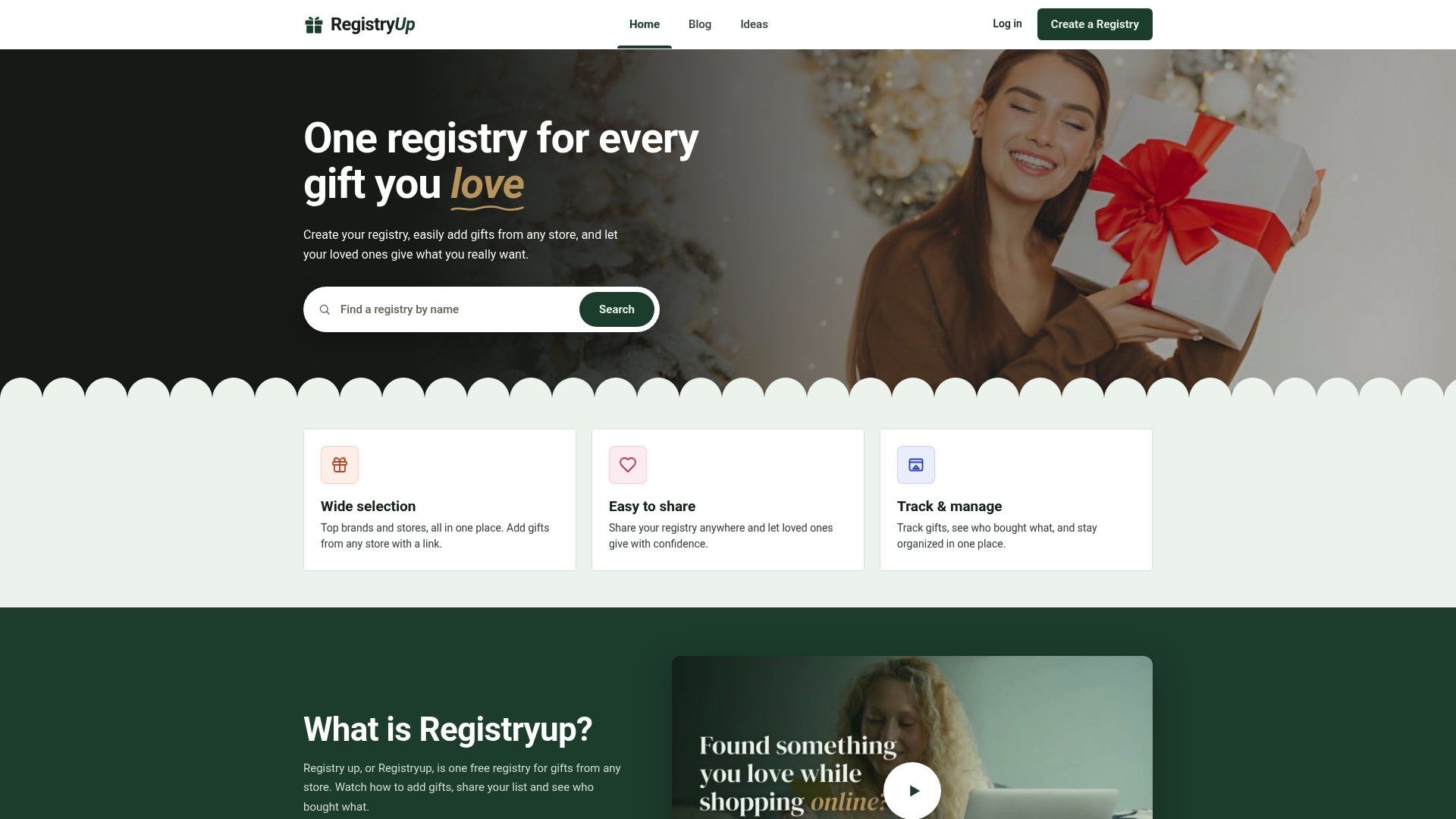
If you are ready to start, create your registry at Registryup and add your first item in a minute.
How to build the list in five steps
Begin with the six groups above. Add only the items you are sure about.
Add a spread of prices. Include small items such as muslins and nappies alongside one or two larger ones.
Check each safety-related product. Look at current safety standards, recalls and the instruction manual before you add it. Nationwide Children’s calls this doing your research, checking recalls, registering the product and reading the manual.
Review the list before sharing. The AAP’s parent site urges parents to scan their registry and remove unsafe items such as crib bumpers, since guests will buy whatever is listed.
Update it as you go. Remove items you have received elsewhere and add new needs as they appear.
The five-step routine takes an evening, and the list stays useful until well after the baby arrives. If you are also looking at what guests might give, our guide to baby shower gifts and what to spend shows how a list reads from the giver’s side.
Our view on baby registries
A registry should reflect your life, not a shop’s catalogue. We built Registryup around one idea: you should be able to add a gift from any store by pasting a link, so the cot, the sling and the sleepsuits can all live on one list.
We think the best lists are short at the start and grow with the baby. Because you can see which gifts have been bought and by whom, you can thank people properly and avoid duplicates, and with zero fees or markups for you and your guests, the list costs nothing to keep.
FAQ
What does every baby registry need?
Every registry needs a safe sleep space, a new car seat, feeding supplies, nappies and wipes, basic clothing and bathing items. These cover the first weeks. Everything beyond that is a bonus you can add later.
What can I leave off a newborn registry?
High chairs, baby food makers, large toys and extra-size clothes can all wait. They become useful months later, and you can add them to the same list when the time comes.
Should I register for secondhand items?
Secondhand clothes and many toys are fine. Car seats and cot mattresses should be new, as the NHS advises, and any used gear should be checked for recalls and condition first.
What is the 5-3-3 rule for babies?
It is not a registry rule. The phrase turns up in some sleep-training discussions as a pattern of stretches between night feeds, and there is no settled definition. You can ignore it when planning what to buy.
Sources
Recommended
Share